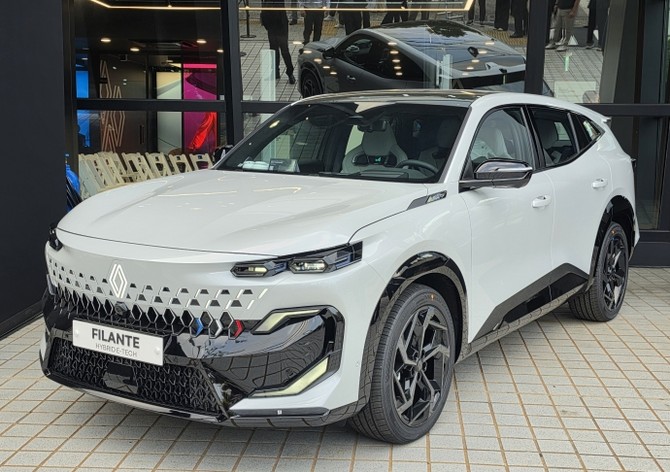
 [프라임경제] 생산은 부산에 뿌리내렸지만, 브랜드는 한국 소비자에게 얼마나 가까워졌을까.
 르노코리아의 주력 모델인 그랑 콜레오스·필랑트·아르카나는 차명만으로 세그먼트(segment. 차급)와 모델 간 관계를 읽기 어렵다. 글로벌 브랜드 전환 과정에서 국내 고객과의 연결고리를 충분히 설계했는지 짚어볼 대목이다.
르노코리아는 최근 동래 플래그십 전시장을 열고 '르노, 부산이 만듭니다. 부산을 달립니다'를 내걸었다. 부산의 생산 역량을 브랜드 전면에 세운 슬로건이다.
이를 계기로 본사와 공장이 자리한 부산에서 기업의 정체성과 제품을 얼마나 알려왔는지도 돌아볼 필요가 있다. '부산이 만드는 차'를 알리고 '부산이 선택하는 차'로 연결하는 일은 르노코리아와 글로벌 본사 경영진의 과제다.
◆현대·기아, BMW·벤츠…이름이 곧 제품 지도
현대차는 아반떼·쏘나타·그랜저·싼타페의 이름 아래 수십 년간 페이스리프트와 풀체인지를 거듭한다. 기아의 쏘렌토·카니발도 마찬가지다. 디자인과 파워트레인이 바뀌어도 이름에 쌓인 인지도와 고객 경험은 다음 모델에 대한 기대감으로 이어진다.
제네시스는 G·GV와 숫자로 세단·SUV, 차급을 구분한다. 기아 K-시리즈도 같은 방식이다. 수입차 시장에선 BMW 3·5·7시리즈와 X 라인업, 메르세데스-벤츠의 C·E·S클래스와 GLC·GLE·GLS 역시 소비자가 제품군을 파악할 수 있는 네이밍을 갖췄다.
르노삼성자동차 시절에는 SM3·SM5·SM7 시리즈는 세단, QM은 SUV로 구분하는 직관적 체계가 있었다. 반면 그랑 콜레오스·필랑트·아르카나는 각각의 차명을 따로 익혀야 한다. 발음이 낯선 데다 차급과 포지셔닝을 연결할 공통 규칙도 약하다.
글로벌 차명 도입에는 브랜드 통합이라는 목적이 있다. 다만 그 과정에서 국내 고객의 이해도와 기존 브랜드 자산을 얼마나 고려했는지는 따져봐야 한다. 모델명 변경에만 그쳤는지, 새로운 시장에 안착시킬 전략까지 설계했는지가 핵심이다.
◆SM이 쌓은 고객 기반, 어디로 갔나
르노삼성은 2010년 내수에서 15만5696대를 판매했다. SM5가 7만7381대, SM3가 5만9498대였다. 두 세단만으로 13만대를 넘기며 국내 준중형·중형 시장의 주요 경쟁자로 자리했다.
지금은 세단 신차 없이 SUV·크로스오버 중심으로 라인업을 재편했다. SM 고객에게는 차체 형식과 차명이 동시에 바뀐 셈이다. SUV 전환이 시장 흐름에 부합하더라도 기존 고객을 자사 라인업에 남게 하는 전략은 필요하다.
지난해 한국 판매는 5만2300대로 전년보다 55.9% 늘었다. 그랑 콜레오스가 4만877대로 반등을 이끌었지만, 전체 판매 규모는 2010년 내수의 약 3분의 1에 머물렀다. 올해 상반기 내수는 2만1187대로 전년 동기 24.5% 감소했다. 9월 판매는 2289대로 전월 대비 13.1% 증가했으나 회복세의 지속 여부는 더 지켜봐야 한다.

경쟁사 관계자는 “판매 부진에는 차명뿐 아니라 가격·상품성·서비스 네트워크·잔존가치 등이 복합적으로 작용한다”며 “기존 SM 고객의 재구매율과 경쟁 브랜드로의 이탈률, 신차 인지도를 살펴보면 브랜드 전환의 성과를 가늠할 수 있다”고 말했다.
◆유럽·인도서는 살린 차명 자산…한국 시장은?
르노는 해외에서 익숙한 모델명을 적극 활용한다. 본고장 유럽에서는 클리오의 세대교체를 이어가고 르노5·르노4를 전기차로 선보였다. 브랜드 헤리티지(heritage, 유산)에 전동화를 결합한 전략이다. 올해 상반기 르노 브랜드의 유럽 판매는 52만8849대로 전년 동기보다 2.6% 증가했다.
중남미에서는 지역 수요에 맞춰 제품군을 확대한다. 지난해 판매는 약 27만2600대로 11.3% 늘었다. 올해 공개한 픽업트럭 '나이아가라'는 아르헨티나·브라질·콜롬비아 등을 겨냥한다. 인도에서는 인지도를 쌓은 '더스터'를 다시 투입했다. 현지 사용 환경에 맞춰 상품성을 바꾸되 고유 브랜드의 자산은 살렸다.
해외에서는 익숙한 차명을 활용하면서 한국에서는 SM의 빈자리를 무엇으로 채웠는가. 핵심은 SM 부활이 아니라 브랜드의 연속성이다. 기존 네이밍을 내려놓았다면 새 라인업의 포지셔닝과 고객 계승 전략이 그만큼 치밀했어야 한다.
◆부산공장 700억원 R&D 투자…르노, 부산의 소중한 산업 자산
르노코리아는 약 700억원을 우선 투입해 부산공장에 충돌시험장 등 17개 핵심 R&D 설비를 갖춘 뉴테크 센터를 조성한다. 2027년 상반기 개소가 목표다. 용인의 연구개발 기능 일부를 생산 현장과 연결해 부산의 역할을 개발·시험으로 넓힌다.
동래 플래그십 전시장과 BNK금융그룹의 금융지원 협력도 지역 접점을 확대하는 시도다. 르노그룹은 2027년 하이브리드 신차, 2028년 순수 전기차의 한국 출시를 계획하고 부산 생산 차량의 유럽 수출 가능성도 검토한다.
투자 방향은 긍정적이다. 다만 수출 허브의 경쟁력과 한국 고객을 확보하는 전략은 함께 가야 한다. 신차를 배정하고 생산설비를 확충해도 브랜드 인지도와 구매 전환, 재구매로 이어지지 않으면 내수 기반은 취약해질 수밖에 없다.
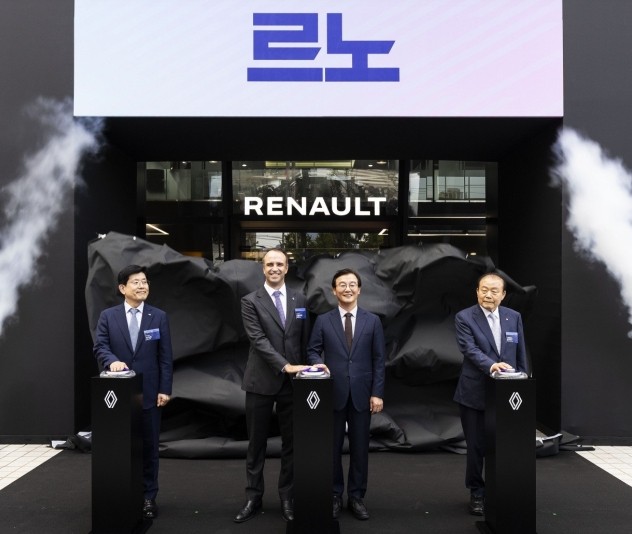
니콜라 파리(Nicolas Paris) 르노코리아 사장은 지난 1일 "부산에 신차 테스트부터 최종 생산 단계에 이르는 전 과정을 아우르는 '엔드-투-엔드 자동차 생산 생태계'를 구축할 계획"이라며 "개발·시험 역량과 부산공장의 장인 정신을 결합해 부산을 미래 자동차 개발의 중심지로 이끌어 나가겠다"고 강조했다.
개발부터 생산까지 잇는 구상을 판매로 연결할 전략도 필요하다. 부산·울산·경남의 등록 실적과 시장점유율, 기존 고객의 재구매율이 그 성과를 가늠할 지표다.
완성차 기업의 본사와 공장을 함께 둔 것은 부산의 소중한 산업 자산이다. 르노코리아는 투자에 걸맞은 상품성과 서비스로 지역의 신뢰를 쌓고, 부산시민들도 그 노력을 평가해 구매로 화답한다면 지역경제의 선순환으로 이어질 수 있다. '부산이 만듭니다'를 '부산이 선택합니다'로 연결하는 일, 르노와 지역사회가 함께 풀어갈 다음 과제다.
■아래는 본 기사 영문 번역문. Below is the English translation of the article.
Renault Builds Cars in Busan, but Its Model Names Remain Unfamiliar…Gaps in Localization Come Into View
Hyundai, Kia, BMW and Mercedes-Benz maintain consistent naming systems…Renault faces the challenge of retaining customer ties after the SM era
[Prime Economy] Renault’s manufacturing operations have taken root in Busan. But how close has the brand come to Korean consumers?
The names of Renault Korea’s core models—Grand Koleos, Filante and Arkana—offer few clues about their segments or their relationship within the lineup. This raises a question: Did the company adequately plan how to maintain ties with Korean customers as it transitioned to a global brand identity?
Renault Korea recently opened its Dongnae flagship showroom under the slogan, “Renault: Made in Busan. Driven in Busan.” The message puts the city’s manufacturing capabilities at the forefront of the brand.
The opening also provides an opportunity to assess how effectively the company has promoted its identity and products in Busan, home to both its headquarters and factory. Turning awareness of “cars made in Busan” into demand for “cars chosen by Busan” is a task for Renault Korea and the group’s global leadership.
◆Hyundai, Kia, BMW and Mercedes-Benz: Names That Map the Lineup
Hyundai has retained the Avante, Sonata, Grandeur and Santa Fe names through decades of facelifts and full model changes. Kia has done the same with the Sorento and Carnival. Even as designs and powertrains evolve, the recognition and customer experience associated with those names build anticipation for the next generation.
Genesis uses G and GV, combined with numbers, to distinguish sedans from SUVs and indicate their position in the range. Kia’s K series follows a similar approach. Among imported brands, BMW’s 3, 5 and 7 Series and X lineup, along with Mercedes-Benz’s C-, E- and S-Class and GLC, GLE and GLS, provide naming structures that help consumers navigate their products.
During the Renault Samsung Motors era, the company also had an intuitive system: SM3, SM5 and SM7 denoted sedans, while QM identified SUVs. Grand Koleos, Filante and Arkana, by contrast, require consumers to learn each name separately. Their unfamiliar pronunciation is compounded by the lack of a clear common rule linking their segments and positioning.
Adopting global model names serves the purpose of brand integration. What deserves scrutiny, however, is how much consideration was given to Korean consumers’ understanding and the equity accumulated by the existing brand. The key question is whether Renault merely changed the names or also developed a strategy to establish them in the Korean market.
◆Where Did the SM Customer Base Go?
Renault Samsung sold 155,696 vehicles in the Korean market in 2010. The SM5 accounted for 77,381 units and the SM3 for 59,498. Together, the two sedans exceeded 130,000 units, establishing the company as a major competitor in Korea’s compact and midsize sedan segments.
The lineup has since shifted toward SUVs and crossovers, with no new sedan offering. For SM customers, both the body style and the model name have changed. Even if the shift toward SUVs aligns with market trends, the company still needs a strategy to keep existing customers within its lineup.
Last year, sales in Korea rose 55.9 percent to 52,300 units. Grand Koleos led the recovery with 40,877 units, but total sales remained at roughly one-third of the company’s domestic volume in 2010. Domestic sales in the first half of this year fell 24.5 percent year on year to 21,187 units. September sales increased 13.1 percent from the previous month to 2,289, although the sustainability of the recovery remains to be seen.
"Weak sales reflect a combination of factors, including not just model names but also pricing, product competitiveness, service networks and residual values" an official at a rival automaker said. "Examining repeat-purchase rates among former SM customers, defections to competing brands and awareness of new models would help gauge the results of the brand transition."
◆Preserving Familiar Names in Europe and India…What About Korea?
Renault actively draws on familiar model names overseas. In its European home market, it has continued renewing the Clio while introducing the Renault 5 and Renault 4 as electric vehicles—a strategy combining brand heritage with electrification. Renault-brand sales in Europe rose 2.6 percent year on year to 528,849 units in the first half of this year.
In Latin America, Renault is expanding its range to meet regional demand. Sales there increased 11.3 percent last year to approximately 272,600 units. The Niagara pickup unveiled this year targets markets including Argentina, Brazil and Colombia. In India, Renault has brought back the established Duster name, adapting the product to local conditions while preserving its brand equity.
If Renault uses familiar names overseas, what has it put in place to fill the gap left by SM in Korea? The central issue is brand continuity rather than whether the SM name should return. Having retired the previous naming system, Renault needed an equally rigorous strategy for positioning its new lineup and carrying existing customers forward.
◆ KRW 70 Billion R&D Investment in Busan Plant…Renault, a Valuable Industrial Asset for Busan
Renault Korea is initially investing approximately KRW 70 billion to establish a New Tech Center at its Busan plant, equipped with 17 core R&D facilities, including a crash-test facility. The center is scheduled to open in the first half of 2027. By relocating some R&D functions from Yongin and linking them with manufacturing operations, Renault aims to expand Busan’s role into development and testing.
The Dongnae flagship showroom and financial support cooperation with BNK Financial Group are also efforts to broaden the company’s local presence. Renault Group plans to launch a new hybrid model in Korea in 2027 and a battery-electric vehicle in 2028, while considering potential exports of Busan-built vehicles to Europe.
The investment direction is encouraging. But strengthening the export hub must go hand in hand with a strategy to win Korean customers. Allocating new models and expanding production facilities will leave the domestic business vulnerable unless those efforts translate into brand awareness, purchases and repeat purchases.
At an event on October 1, Renault Korea CEO Nicolas Paris emphasized the company’s plans for Busan.
"We plan to establish an end-to-end automotive production ecosystem in Busan, covering the entire process from new-vehicle testing to final production," Paris said. "By combining development and testing capabilities with the craftsmanship of the Busan plant, we will help make Busan a center for future vehicle development."
The vision of linking development with production also needs a strategy to translate it into sales. Vehicle registrations, market share in Busan, Ulsan and South Gyeongsang Province, and repeat-purchase rates among existing customers will serve as measures of its success.
Having both an automaker’s headquarters and manufacturing plant is a valuable industrial asset for Busan. If Renault Korea builds local trust through products and services that match its investment, and Busan residents recognize those efforts through their purchasing choices, it could create a virtuous cycle for the regional economy. Turning “Made in Busan” into “Chosen by Busan” is the next challenge for Renault Korea and its global leadership to address together with the local community.
--comment--
첫 번째 댓글을 작성해 보세요.
댓글 바로가기